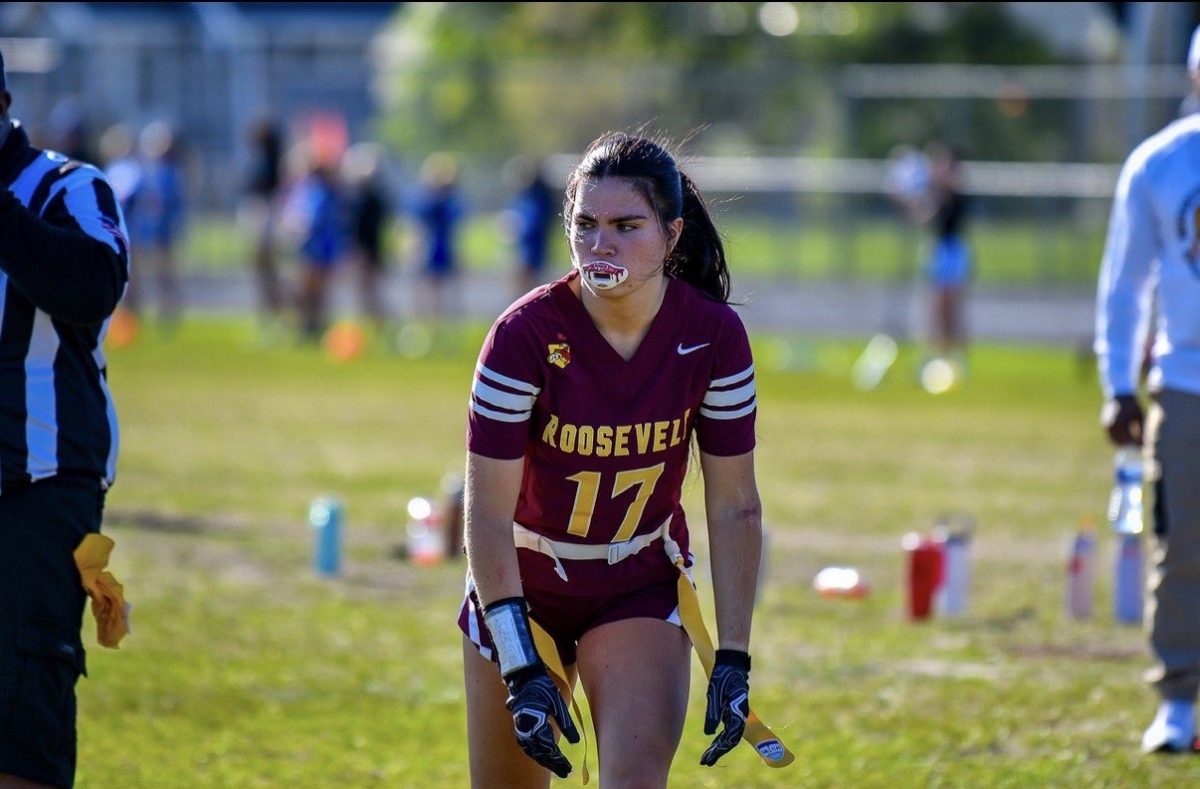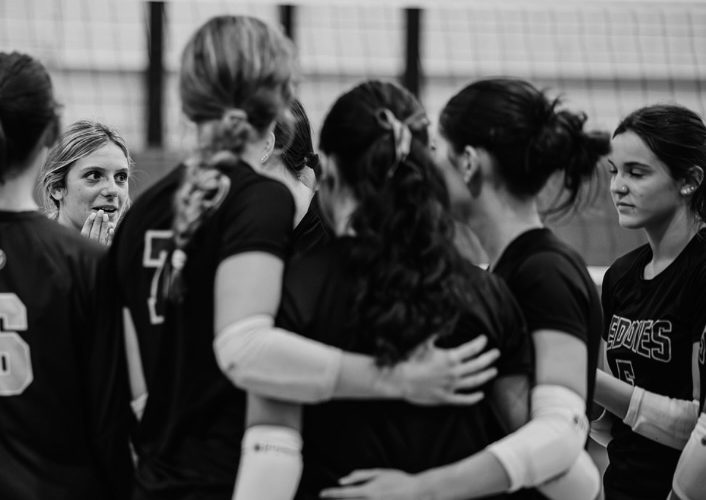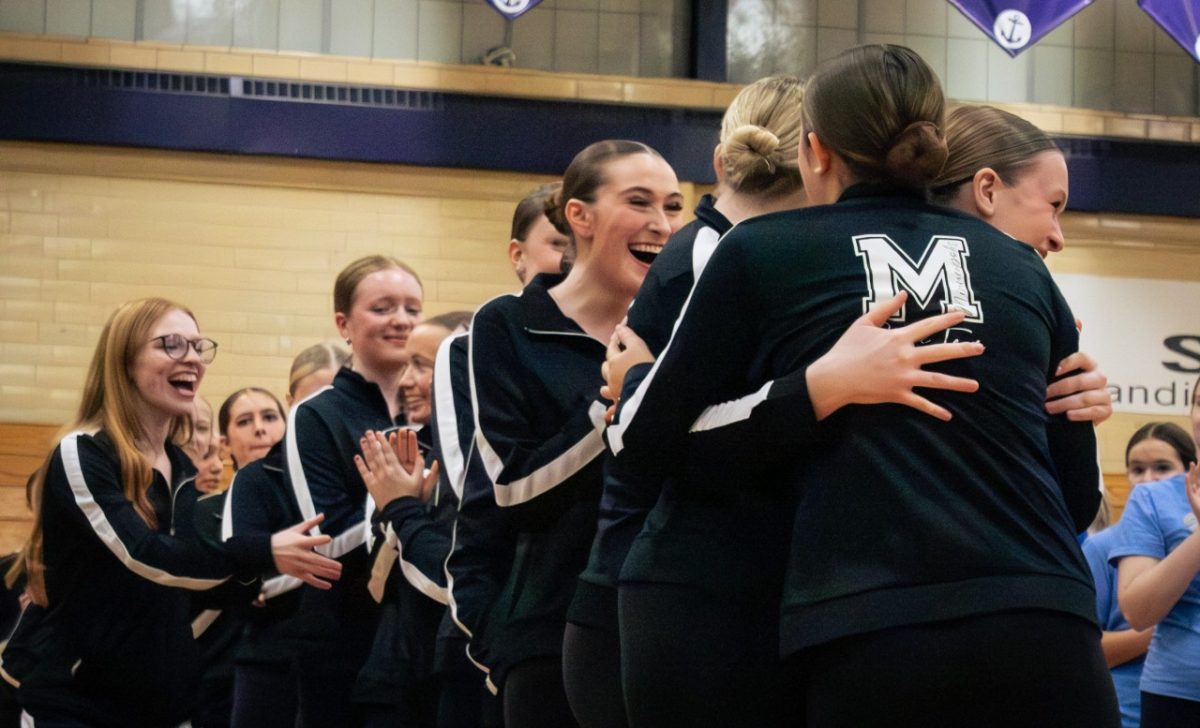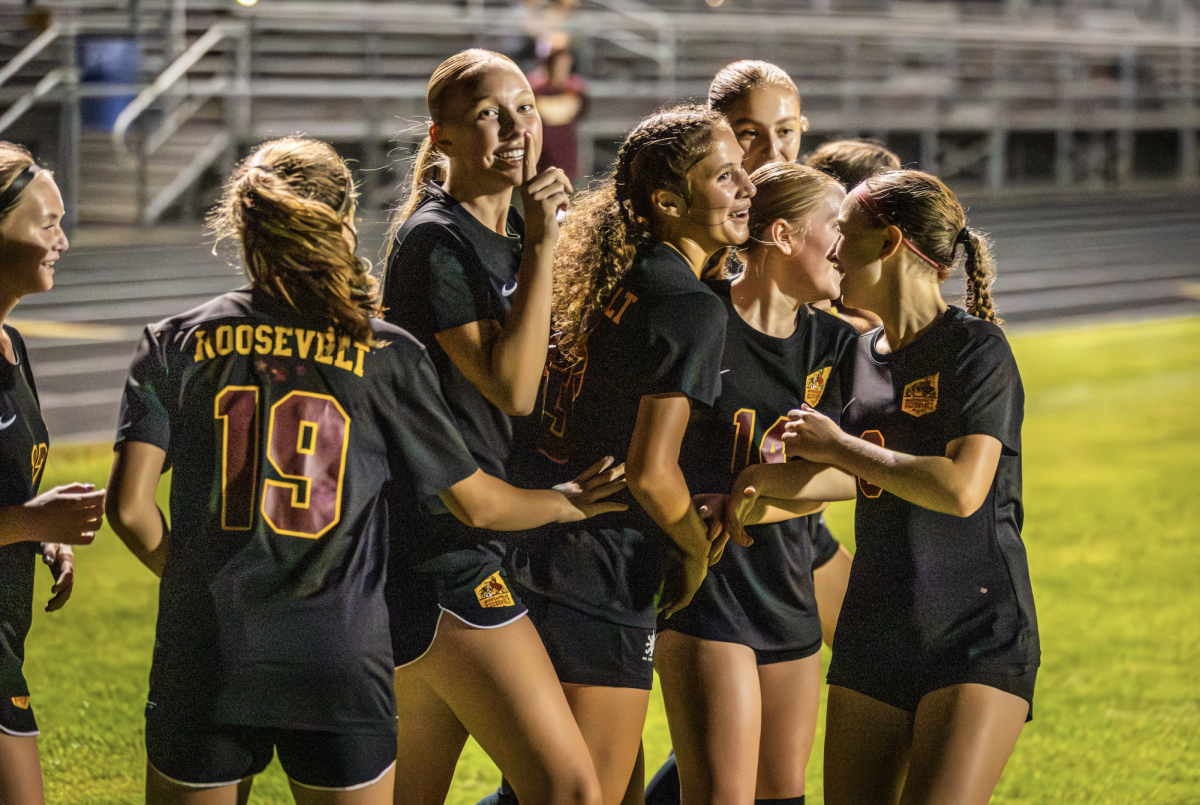
Burnout has become one of the most pressing issues facing young athletes today. While sports offer community, confidence, and a healthy outlet, the demands placed on students, both physically and emotionally, can quickly turn something joyful into something overwhelming.
Recent data highlights this growing concern: 58% of high school athletes experience high levels of stress or mental exhaustion, and that’s only from those who report it. Behind the scenes, countless others struggle silently, unsure how to cope or where to turn. Feeling unwelcome or shameful about it can lead to an increase in depression and other mental health issues throughout student-athletes.
At the same time, these youth sports face a retention crisis. Seventy percent of kids quit sports by the age of 13, most commonly because it stops being fun. Pressure from coaches, expectations from parents, and the fear of disappointing others can strip away the enjoyment that should be at the heart of every game. In fact, burnout is the number one reason adolescents quit sports altogether.
So the question becomes, How can we prevent burnout and protect the mental health of student-athletes here at Roosevelt?
1. Promote a Healthy Balance Between School and Sports
Athletes need time to rest, study, and socialize just like any other student. When their schedule allows room for all parts of life, they’re less likely to feel overwhelmed. Schools and teams can help by coordinating schedules, reducing unnecessary practice hours, and respecting off-days.
2. Watch for Warning Signs of Burnout
Burnout doesn’t always show up as physical fatigue. Sometimes it’s emotional withdrawal, irritability, declining grades, or loss of interest in a sport they once loved. Early detection can prevent stress from escalating into long-term mental health issues.
3. Encourage Open Conversations About Stress
Athletes should feel safe talking about their struggles without judgment. When mental health becomes a normal topic of conversation in locker rooms, classrooms, and at home, students are more likely to reach out before their stress becomes unmanageable.
4. Create a Supportive Environment for All Athletes
Support doesn’t just come from coaches or therapists; it comes from teammates, teachers, and families. Celebrating effort and progress, rather than perfection, helps athletes feel valued beyond their performance.
Burnout isn’t just an individual issue, it’s a community one. By reshaping the culture around youth sports and prioritizing mental health, we can ensure that athletics at Roosevelt remain a source of joy, growth, and confidence for the students who participate. When sports are fun, balanced, and supported, athletes thrive on and off the field.