

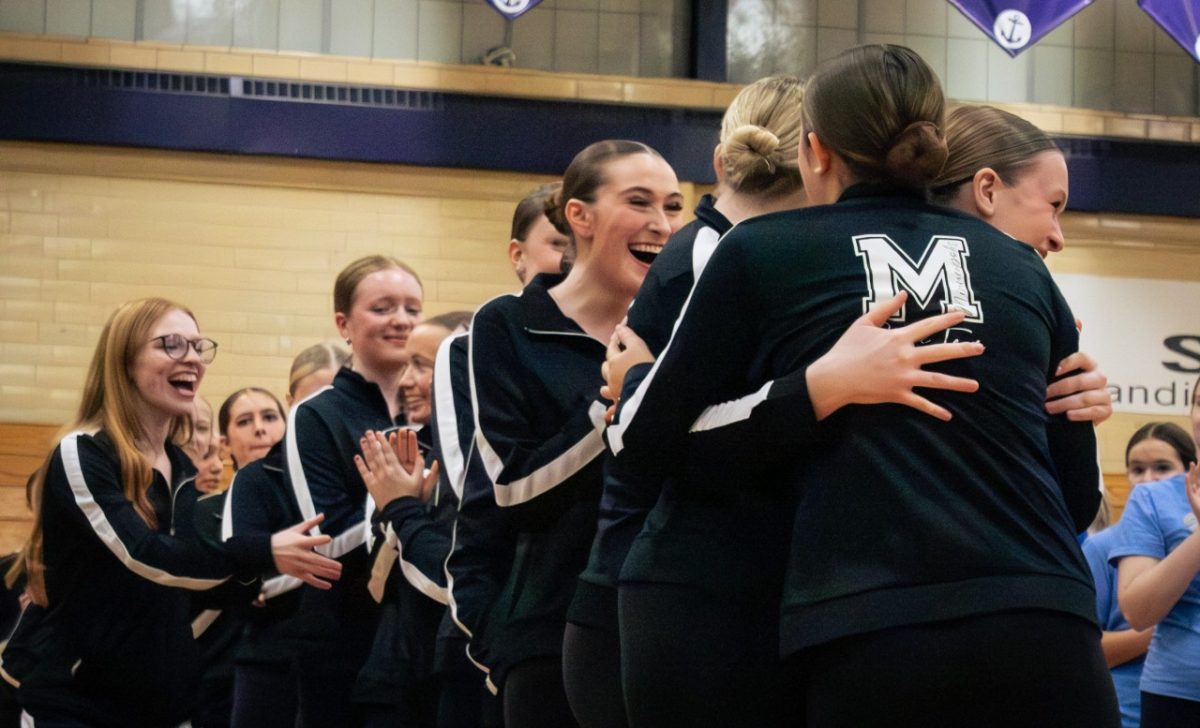






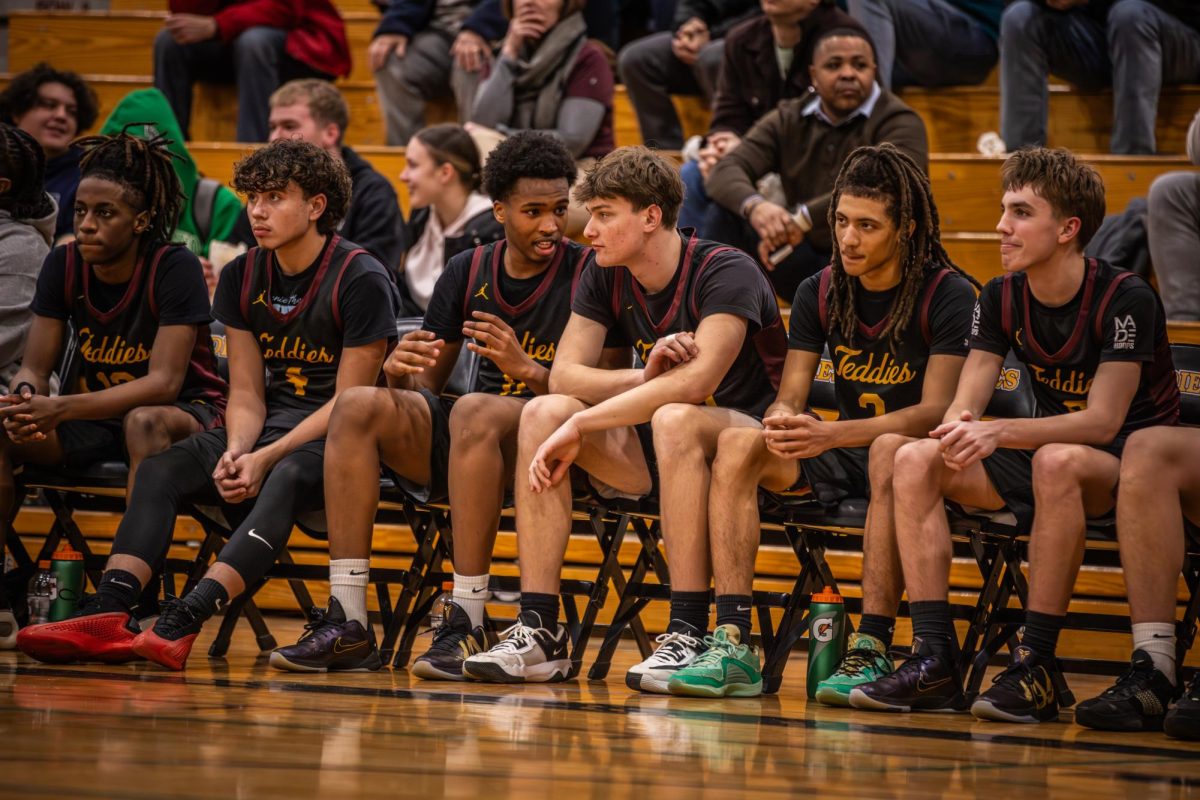








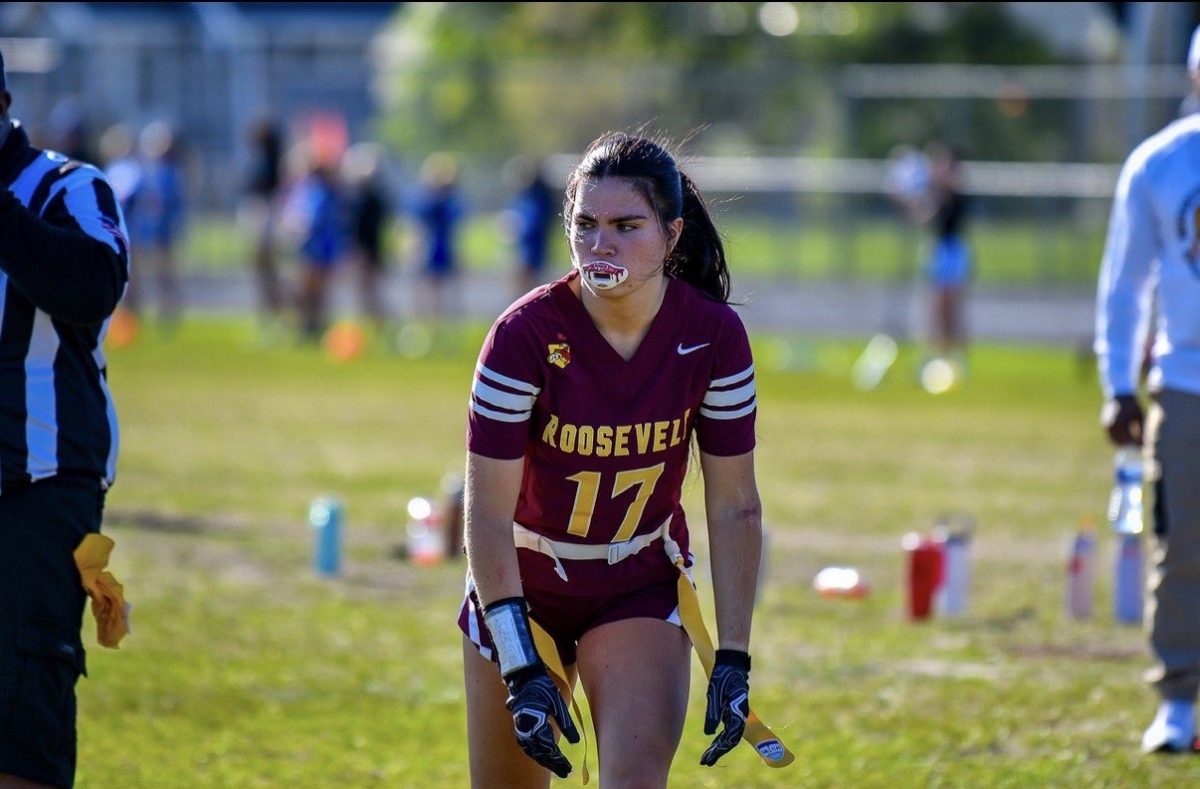






At Roosevelt, leadership is everywhere. It exists on the soccer field during close games, in classrooms during group projects, in student sections at games, and behind the scenes of clubs, performances, and publications. Leaders are often seen as the people who have everything together, the ones others rely on when things become stressful or uncertain.
But what people rarely talk about is how lonely leadership can actually feel.
For example, leadership is usually associated with confidence, success, and recognition. Captains motivate their teams. Editors stay organized under pressure. Club presidents take initiative. Student leaders are expected to set examples for everyone around them. Because of this, many leaders feel pressure to always appear strong even when they are overwhelmed themselves.
Being a part of Roosevelt’s sports culture and stepping into leadership roles myself, I’ve had the opportunity to observe the way other leaders around me carry themselves and experience the world. Through those experiences, I’ve learned that leadership can be incredibly rewarding, but also emotionally exhausting in ways that often go unnoticed. Once someone is seen as dependable, it can become difficult for them to admit when they are struggling too.
Even though leadership can be difficult, it also creates connection, growth, and community. The goal is not to discourage students from becoming leaders, but rather to remind people that leaders are human too. Sometimes the strongest thing we can do is check in on the people who always seem “fine.”
Even students working toward leadership positions like captain, president, or other important roles can experience intense pressure and self doubt along the way. leadership is seen as an achievement to strive for, but many people don’t recognize the emotional weight that can come with trying to meet those expectations. I’ve experienced many conversations of students feeling pressure to prove themselves, constantly perform at a high level, or compare themselves to others already in those positions. When things don’t go as planned, whether it is losing a game, not earning a role, or feeling overlooked, those experiences can lead to discouragement and defeat. Leadership is widely viewed only through moments of success, but the journey behind the scenes toward becoming a leader can be just as mentally and emotionally challenging.
Behind every captain, editor, president, or role model is still a student learning, growing, and handling pressure just like everyone else. By recognizing the emotional side of leadership and checking in on the people who are constantly supporting others, Roosevelt can continue to create a culture where students feel valued not only for what they accomplish, but also for who they are as people.