



















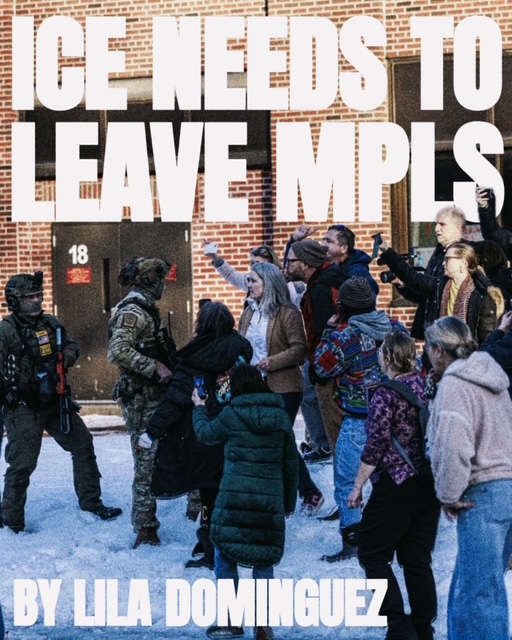
Beginning the week of January 12, some students have had to transition to online learning out of fear of leaving their homes due to recent ICE presence in Minneapolis. This has created stress and uncertainty for many families in our community. This article will outline several ways you can support your neighbors and help one another during these difficult times.
First, it is important to check in with friends and their families who may be staying home. Ask how they are doing and whether they need anything, such as school support, or simply someone to talk to. Letting people know they are supported and not alone can make a meaningful difference and help strengthen community bonds during moments of fear and isolation.
Second, beyond checking in emotionally, it’s also helpful to ask if families need any essentials. This could include food, toiletries, or school supplies. If you’re able, consider connecting them with local organizations that provide food assistance. You can also reach out to schools to ask how students or families might be supported with meals or resources during this time.
Third, knowing your rights can help protect both yourself and others in the event of an encounter with ICE. For example, you are not required to open your door unless ICE presents a judicial warrant signed by a judge. Being informed allows you to share accurate information and reduce fear caused by uncertainty. For more detailed information, visit: https://immigrantjustice.org/for-immigrants/know-your-rights/ice-encounter/
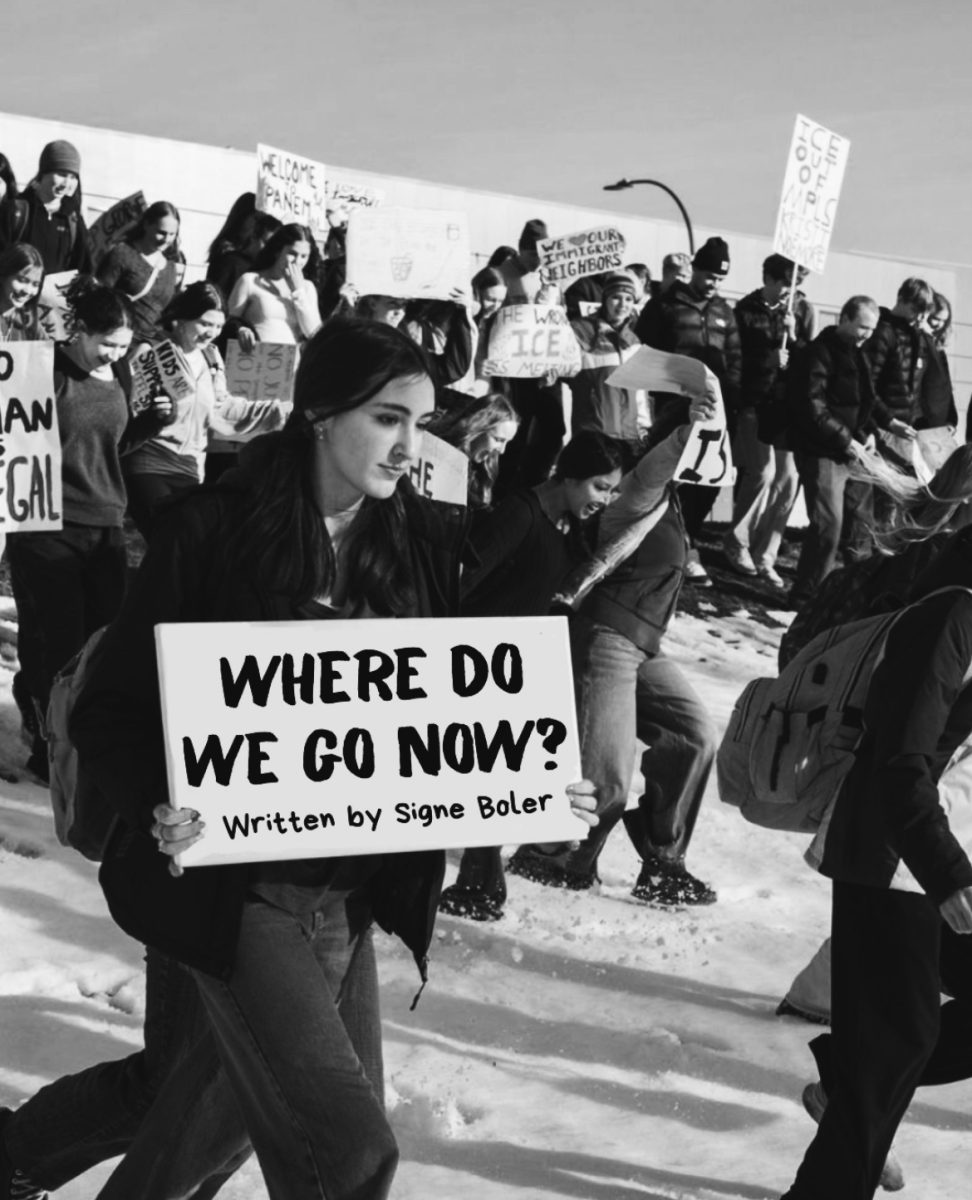
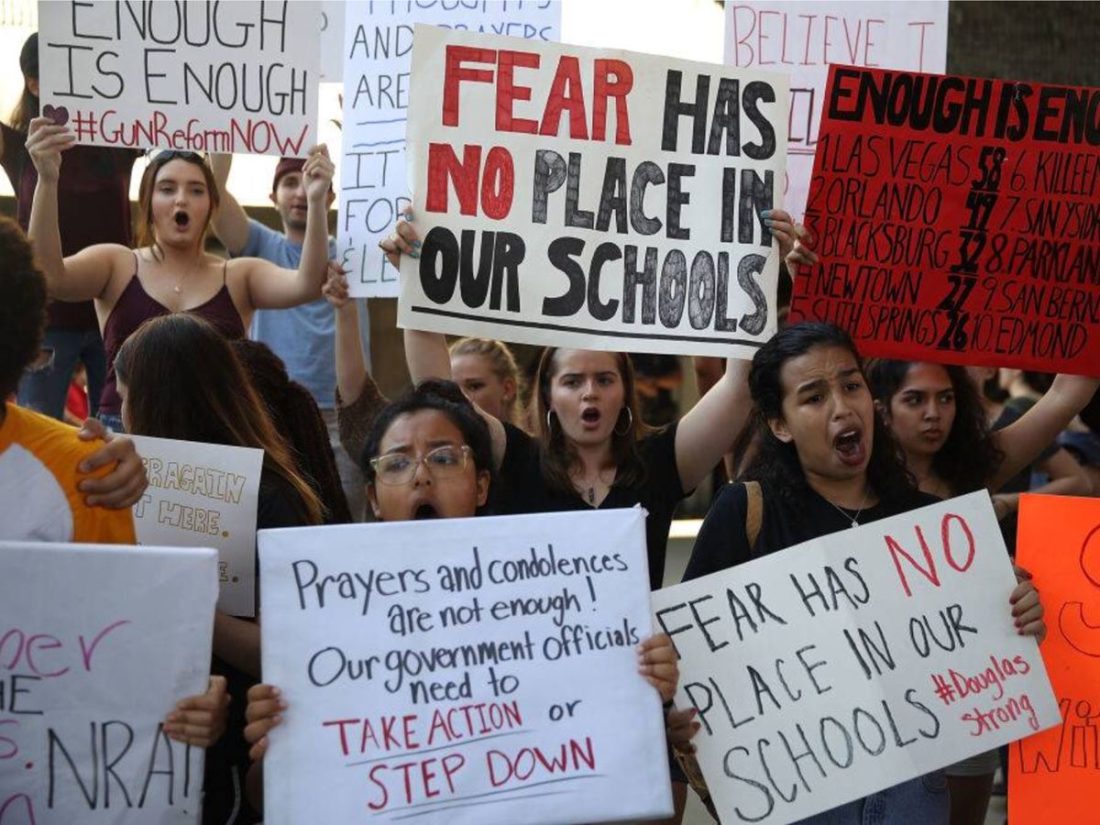
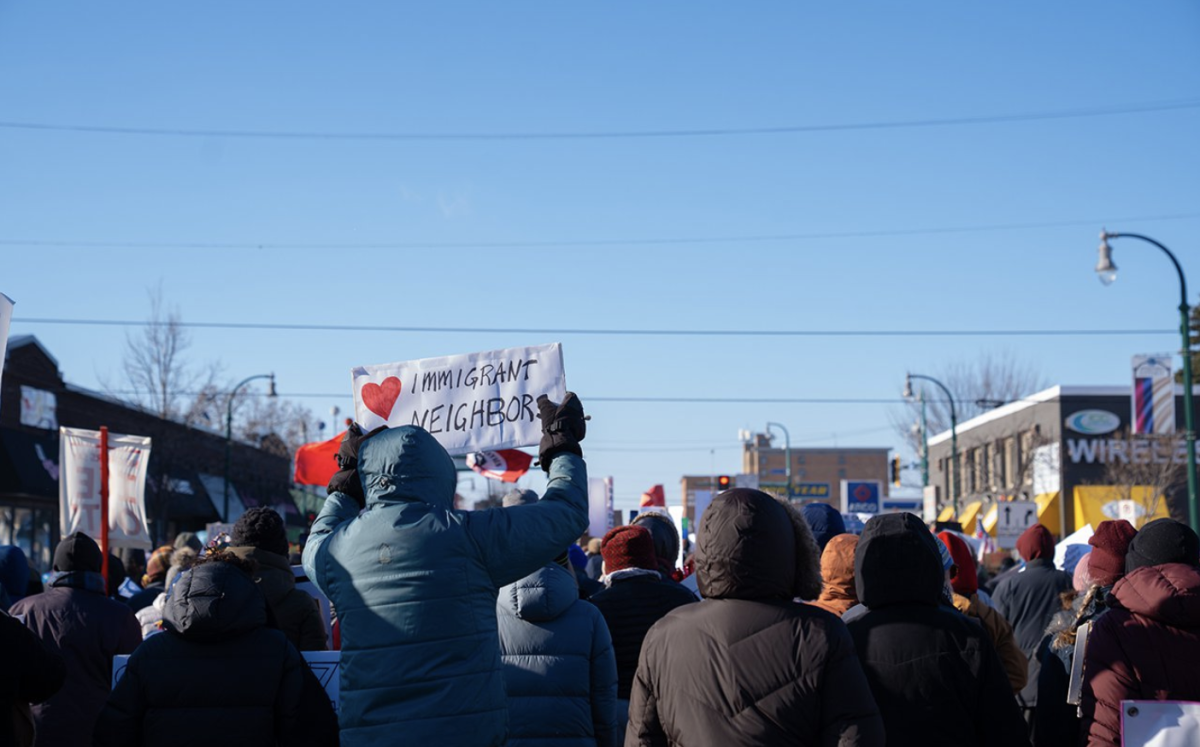
Fourth, protest and speak out in ways that feel safe for you. Raising awareness about what is happening in Minnesota and why it is harmful can take many forms; marching in the streets, sharing information, or quietly supporting affected families. Advocacy does not look the same for everyone, and all forms of support matter.
Fifth, consider donating to organizations that support immigrant families and provide legal, food, or housing assistance. Many Minnesota-based organizations are actively working to protect and uplift communities affected by immigration enforcement.
Sixth, it is crucial to act with care. Do not draw attention to families who do not want or need public attention, as this could put them at risk. Publicizing their situations may unintentionally bring ICE attention to them. Supporting one another discreetly and respectfully is one of the most important ways our community can stay safe and strong during this time.
In times of fear and uncertainty, community support becomes more important than ever. By checking in on one another, sharing resources, knowing our rights, speaking out in safe ways, and offering help discreetly, we can protect and uplift those most affected. Even small actions can make a meaningful difference. When we choose compassion, awareness, and solidarity, our community becomes stronger and better equipped to face these challenges together.
“We all do better when we all do better” -Paul Wellstone