








On April 27th, President Donald Trump signed legislation reversing a 20-year ban on mining near the Boundary Waters Canoe Area (BWCA). This action, made possible by the 50-49 Senate vote, makes 225,504 acres of Superior National Forest susceptible to mining.
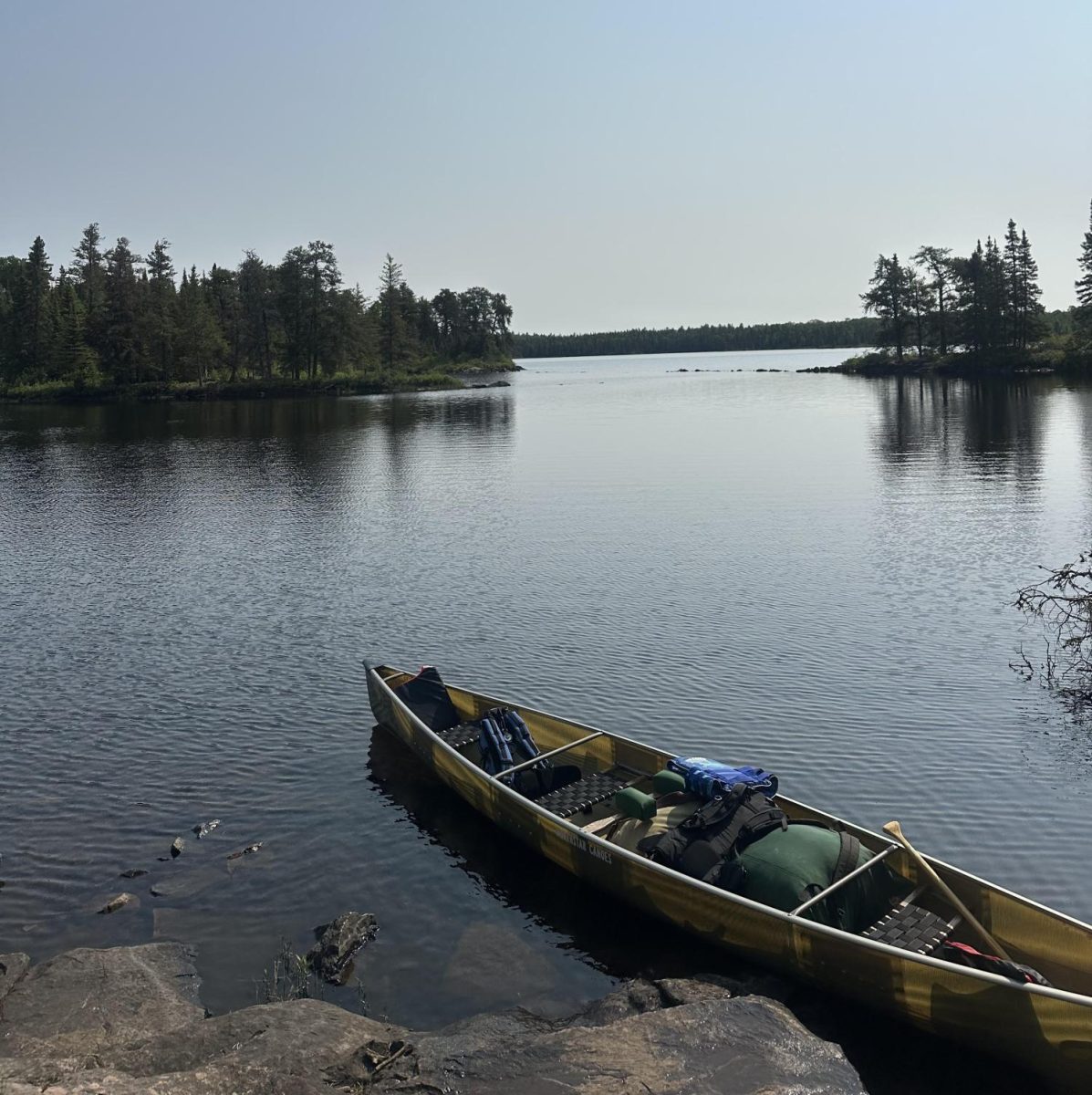
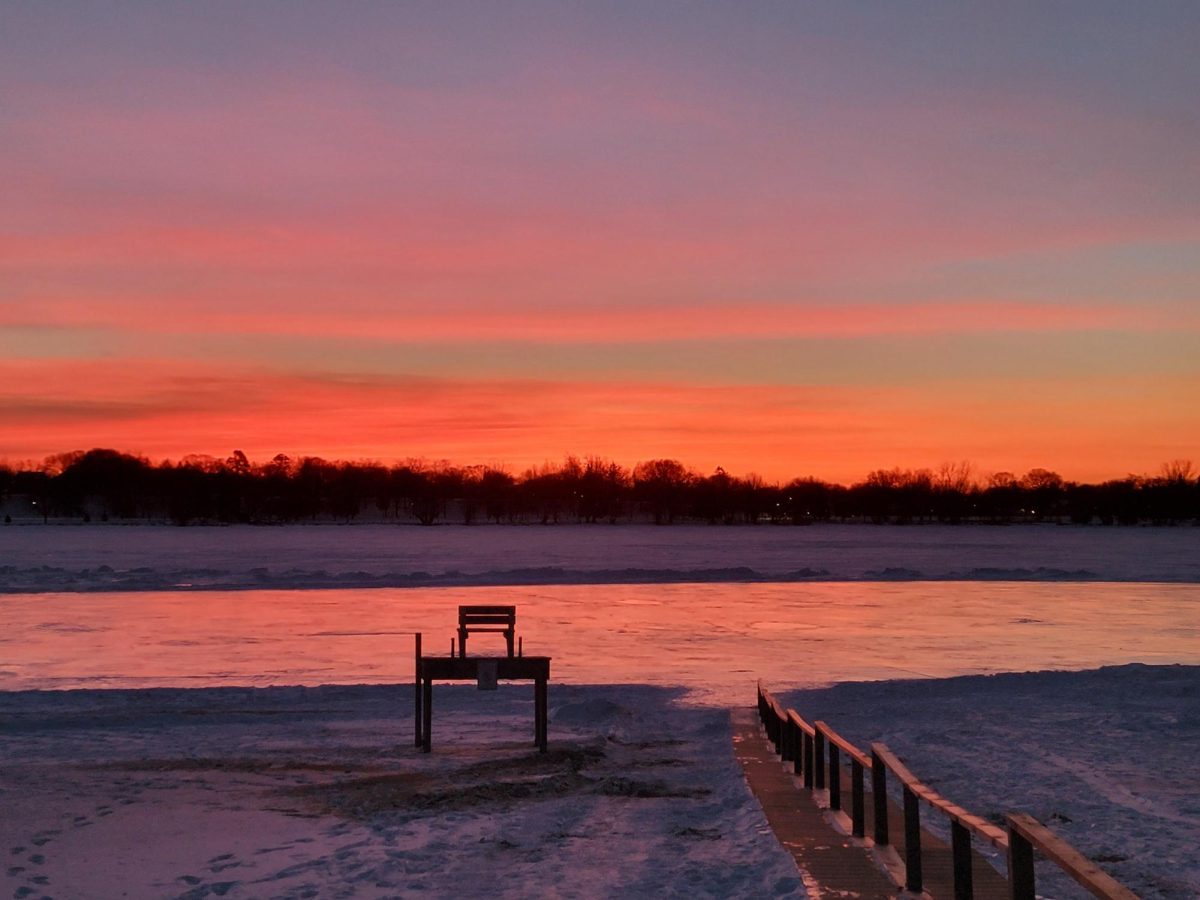
The BWCA is one of the most visited wilderness areas in the country. It stretches 1.1 million acres within the Superior National Forest and is made up of thousands of interconnected lakes. For over a century, environmental protections have helped preserve these waters, resulting in some of the cleanest freshwater lakes in the United States.
That protection is now at risk. The proposed mining would have severe environmental impacts on the BWCA and surrounding area. This contamination could cause irreversible damage to the water quality, wildlife, and entire ecosystem.
Following the Senate vote on April 16th, many Roosevelt students reposted Instagram news articles sharing these results, adding comments about their affection for the BWCA. As a lover of the Boundary Waters myself, I was inspired by the number of my peers who also felt connected to it and I wanted to learn why.
“I think what makes Minnesota special compared to other states is that we have so much accessible nature and wilderness,” said Siobhan, a junior who loves the outdoors and has spent time in the BWCA. She added that visiting undeveloped areas like this is something “everyone should be able to experience in their life because that’s what the world is all about.”
Siobhan also shared a quote often attributed to Indigenous activists that she felt reflected the situation: “Only when the last tree has been cut down, the last fish caught, and the last stream poisoned will you realize you cannot eat money.”
Other classmates also emphasized the need for protection. Fritz, a junior who has been visiting the BWCA since he was 13, said, “It’s important to me because I go up there every single year with my family.” He worries that contamination would “ruin the overall peace of the area.”
For many students, their connection to the BWCA is built through tradition. “I went when I was six for the first time and I go back every other year,” said Leo, a sophomore.
River, a senior, said her first visit to the Boundary Waters was in middle school. “We had a tradition in my family where we’d go to Gunflint Lodge, and we’d take a canoe trip into the BWCA,” she said. Reacting to the Senate vote, she added, “I felt really upset about it…I think the Boundary Waters is something that all Minnesotans cherish.”
Whether it’s through family tradition or a love for the outdoors, Roosevelt students agree that these beautiful acres of wilderness deserve protection. Keeping natural spaces like this in our state will be a battle that continues as the country faces environmental challenges and policy changes. Although this new congress action is discouraging, the future of the Boundary Waters is still uncertain. “I feel hopeful that things can still be done to stop that from going forward,” said River.
To learn more, visit sites like Save the Boundary Waters or Friends of the Boundary Waters to see how they are working to stop the proposed mining from proceeding.